


Best Sellers


Fertility Lubricant (2.5 fl. oz)
Regular price
$21.99
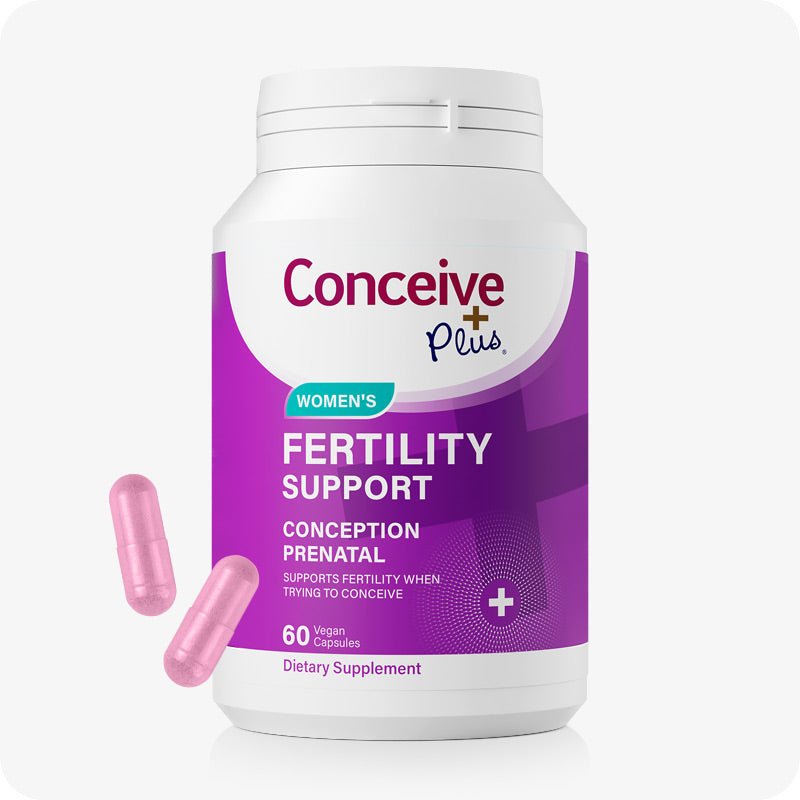

Women's Fertility Support
Sale price
$27.48
Regular price
$34.95


Motility Booster Bundle
Sale price
$55.00
Regular price
$69.99


Maximum Fertility Bundle - Conception Kit
Sale price
$119.99
Regular price
$179.79
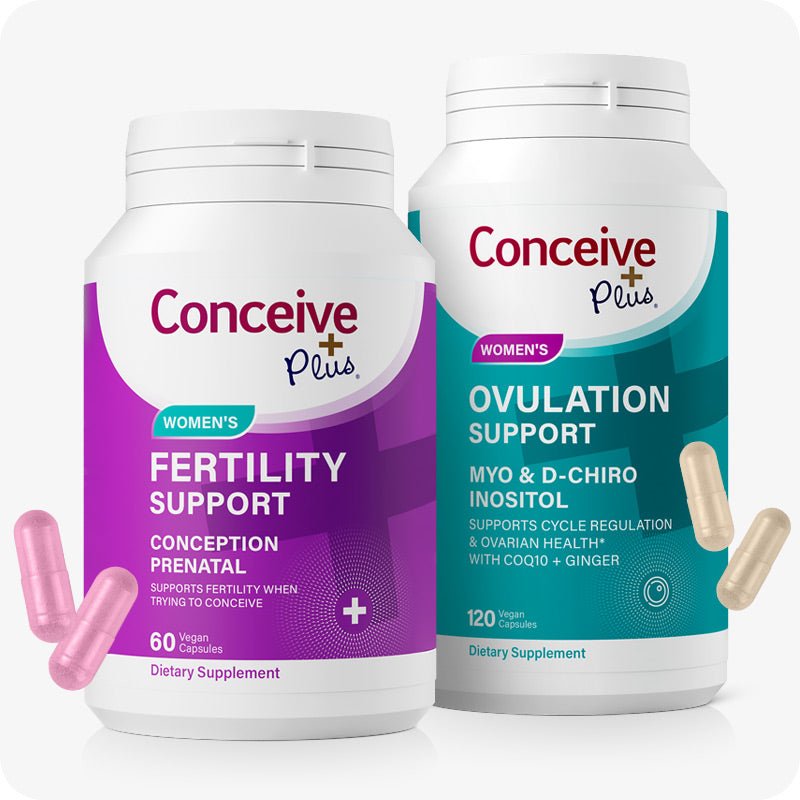

Ovulation Support Bundle
Sale price
$55.00
Regular price
$69.99


His & Hers Fertility Bundle
Sale price
$55.00
Regular price
$69.99


Fertility Lubricant Pre-filled Applicators
Regular price
$21.99


Ovulation Support
Sale price
$25.00
Regular price
$34.95


Myo inositol Supplement
OVULATION SUPPORT
Premium ingredients including Myo-Inositol to help balance hormones and regulate weight. Includes Folic acid + CoQ10 + Ginger extract may be helpful for women with PCOS or irregular cycles.
✓ REGULATE OVULATION CYCLES: Myo Inositol Promotes ovarian function and regular menstrual cycles.

Bundle & Save
Maximum Fertility Bundle - Conception Kit
Sale price
$119.99
Regular price
$179.79
His & Hers Fertility Bundle
Sale price
$55.00
Regular price
$69.99
Ovulation Support Bundle
Sale price
$55.00
Regular price
$69.99


Duo Fertility Lubricant Bundle
Sale price
$38.99
Regular price
$43.98
70,000+ Reviews for a Reason
Over 15 years of helping millions of couples to get pregnant!
Two weeks ago
Two weeks ago, we had a beautiful boy, and I want to express my genuine gratitude to the whole Conceive Plus team, who made our dreams come true. We couldn't have children of our own, and we almost quit trying and believing in miracles. Conceive Plus Maximum Fertility Bundle
Sandra Parker ✓
AMAZING
This works so well i would never recommend a product so much you should all buy its so good, quick delivery too. Conceive Plus Fertility Lubricant -
Jackie C. ✓
Definitely works!!
This product works ladies Run to get it!!! At first I jus thought it was like all the other products I’ve heard - no ladies it really help aides and prepare your body for pregnancy.. I was so shocked and happy at the same time!!! My baby girl jus made 1 and I’m pleased. We are now shooting one more time for a boy wish me luck!!!!
Jevon “Vonney” S. ✓
CONCEIVE+ REALLY WORKS
We have been trying to get pregnant since early 2021 We were recently pregnant and had a miscarriage January 2023 and have been trying to get pregnant again ever since! Numerous doctors appointments, several different medication‘s and nothing took! Until we came across Conceive Plus. We just got our first positive pregnancy test August 28, 2024. I’m so excited. Ovulation Bundle -
Robin J. ✓
Baby making
Was so easy to insert and didn’t leak out and I feel it made my sex a bit more intense and exciting🤣🤣🤣🤣would recommend 100% and praying for baby dust for all us beautiful women. Conceive Plus Fertility Lubricant -
Siobhan P. ✓
Great product.
Great product for those trying to conceive! I find this product doesn’t irritate the skin which is great for me as I have sensitive skin, I find it does dry down very quickly, so a good amount is need however for the price it’s a fantastic product! Fingers crossed for this month 🤞🏽 Conceive Plus Duo Fertility Bundle -
Jasmine H. ✓
Works!!!
I am 43 years old, the Fertility clinic told me that I need to buy the eggs because for my age were to low. I told them yeah right wait for me. I bought this pack in Amazon that you have the store and ONLY 2 months boom! Pregnant😁🤩🥰. 6 weeks pregnant. THANKS!!!!! Ovulation Bundle -

Madelyn M. ✓
Ease of Use
I am very satisfied with the Conceive Plus Max Fertility Lubricant Bundle. It has proven to be an easy-to-use, comfortable, and potentially effective aid in our journey to conceive. I would highly recommend it to other couples looking for a reliable fertility lubricant. Max Fertility Lubricant Bundle -
Katila B. ✓
Regularized my period
Excellent, my period became regular and so did my menstrual pains. Conceive Plus Ovulation Support -
Florencia V. ✓
Testimonial
Incorporate feedback from satisfied customers into your website to highlight positive experiences with your brand.
✓ Verified Purchase
I don't want to live without Conceive Plus
Conceive Plus is a professional company to deal with. Their products are amazing & have helped me immediately. I had Lyme disease 10 years ago & still struggle with residual symptoms, exacerbated by my mthfr gene mutations. Liver Medic's products have helped me get control of my symptoms & live a fairly normal life. They are helpful when asked questions, Prompt in shipping, with fair priced products.
Daisy ✓
Highly Recommend
Conceive Plus worked for us when nothing else did. After using it for just three months, we got our positive result. It's easy to apply and very effective. Highly recommend to anyone trying to conceive.
Amanda Brown ✓
Also Available At


