The Impact of Weight on Fertility


Being at a healthy weight is important for so many reasons, one of which is fertility. If you're trying to conceive and you or your partner is over or underweight, it may be harder to conceive. Before you start trying to conceive, it’s a good idea to consult your doctor about your general health and, if necessary, work on a plan to reach and maintain a healthy weight following a specific diet.
Being overweight and its effect on fertility
Being overweight (having a BMI of 25 or more) can interfere with a woman’s fertility by affecting her body’s production of hormones. Having more fat results in producing more estrogen, which in term can interfere with ovulation. In addition, obesity has been linked to a couple of fertility-related problems, including endocrine disorder and poly-cystic ovary syndrome (PCOS). In total, women who are obese have a significantly harder time conceiving, and being overweight can undermine fertility. For men, being overweight can reduce testosterone levels and result in lower sperm quality.

✨ Trying to Conceive?
Our Ovulation & Fertility Bundle combines Myo-Inositol with essential vitamins to support healthy hormone balance and regular ovulation.
Shop Now — $55.00✓ Free shipping on orders over $40 | ✓ Trusted by millions of couples worldwide
Being underweight and its effect on fertility
Being underweight (having a BMI under 18.5) can also be a problem for fertility. Like being overweight, being underweight can lead to imbalanced hormone production. Women who are underweight are also frequently not getting sufficient nutrients. This can lead to irregular ovulation or even stop ovulation from happening altogether. When underweight women do become pregnant, a lack of nutrients can cause risks for their pregnancies. Being underweight is also a problem for men. It often leads to a low sperm count, which makes fertilization more difficult.
For both men and women, therefore, it’s important to work towards a healthy weight before trying to conceive. This will not only help you to get pregnant, it will help you to have a healthy pregnancy and live long, healthy lives while raising a family.
MORE ABOUT CONCEIVE PLUS
If you have just started trying to get pregnant or have been trying for a while, Conceive Plus® can help increase your chances of conceiving naturally! Recommended by doctors, pharmacists and fertility clinics in more than 70 countries, this is the fertility friendly lubricant approved by the FDA and a prescription is not required.
🌱 Support Your Fertility Journey
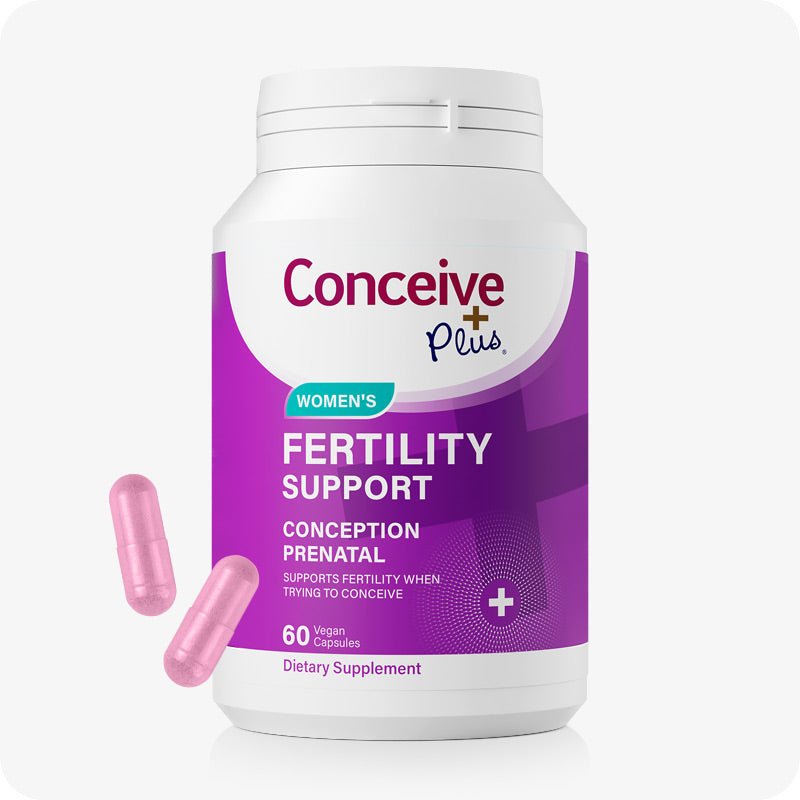
Conceive Plus fertility supplements are clinically formulated to help regulate your cycle and support egg quality.
Shop Fertility Support →Frequently Asked Questions
Recommended by Fertility Experts
Conceive Plus Men's Fertility Support
Designed to support healthy sperm production, motility, and overall male reproductive health with clinically studied nutrients.
Shop Now →What BMI is considered healthy for fertility purposes?
A healthy BMI for fertility is generally between 18.5 and 24.9. BMI under 18.5 is considered underweight and may impair fertility, while a BMI of 25 or higher is considered overweight and can also negatively affect your ability to conceive. The American Society for Reproductive Medicine (ASRM) recommends consulting with your doctor to determine your personal healthy weight range before trying to conceive.
How does being overweight affect a woman's hormones and ovulation?
Excess body fat increases estrogen production in women, which can disrupt the delicate hormone balance needed for regular ovulation. This hormonal imbalance can lead to irregular periods, missed ovulation, or conditions like polycystic ovary syndrome (PCOS) that make conception more difficult. Maintaining a healthy weight helps regulate these reproductive hormones naturally.
Can being underweight prevent pregnancy?
Yes, being underweight can severely impact fertility. Underweight women often lack sufficient nutrients and may experience irregular or stopped ovulation altogether. Additionally, being underweight disrupts hormone production, making it much harder to conceive naturally. If you're underweight and trying to conceive, working with your healthcare provider on a nutrition plan to reach a healthy weight is important.
How does a man's weight affect sperm quality and fertility?
Both overweight and underweight men can experience reduced fertility. Being overweight can lower testosterone levels and decrease sperm quality, while being underweight is often associated with low sperm count. Men who maintain a healthy weight tend to have better sperm production and motility, improving their chances of successfully fathering a child.
How long does it take for weight changes to improve fertility?
While individual timelines vary, research suggests that meaningful improvements in fertility can occur within 3-6 months of reaching a healthier weight, though this depends on the person and their starting point. It's important to work gradually toward a healthy weight through sustainable diet and lifestyle changes rather than rapid weight loss. Your fertility specialist can provide personalized guidance on realistic timelines for your situation.
Should I wait to try to conceive while losing weight?
If you're significantly over or underweight, it's generally recommended to consult your doctor and work toward a healthier weight before actively trying to conceive, as this optimizes your chances of conception and a healthy pregnancy. However, the specific recommendation depends on your individual health status and fertility situation. Your healthcare provider can advise whether you should wait or if you can try to conceive while gradually improving your weight.
Does my partner's weight matter for conception?
Yes, both partners' weights can affect fertility. Your partner's weight impacts sperm quality, testosterone levels, and overall reproductive health, just as your weight affects your fertility. For the best chances of conception, both partners should aim for a healthy BMI and discuss their health goals with their doctors before trying to conceive.
Trusted by Couples in Over 70 Countries
Support Male Fertility From the Inside Out
Male fertility is just as important as female fertility in the conception journey. Conceive Plus Men's range delivers targeted nutritional support to promote healthy sperm and overall reproductive wellbeing.
Shop Men's Range →