Superfoods, Supplements and Fertility


Kale. Whole grains. Beets. Berries. While superfoods can’t guarantee a successful IVF cycle, they contribute to sperm and egg quality and overall fertility health.
“Food sources that are high in antioxidants such as berries, sources of monounsaturated fats like avocado and nuts, using olive oil for cooking and salads, and supplementing with omega 3 fatty acids are diet recommendations for both women and men,” says Dr. Brooke Friedman, a fertility doctor with Reproductive Partners UCSD Regional Fertility Center. “We recommend against diets that are high in animal protein, in particular red meat, and avoiding foods with trans fats like fried foods and donuts,” she adds. Friedman also recommends both men and women take a multi-vitamin supplement – hers should be a prenatal vitamin.
For men and women
“We know that things that are good for the heart are good for the sperm,” Friedman says. As a result, a Mediterranean diet, one with less animal protein and less trans fats can play a role in male fertility. Friedman recommends increasing antioxidants like Vitamin C for men over the age of 40 or with any abnormal semen analysis and increasing Omega 3 and astragalus supplementation particularly for men with low morphology. Omega 3 fatty acids help maximize blood flow to the testicles, and have been shown to improve sperm quality.

✨ Trying to Conceive?
Our Ovulation & Fertility Bundle combines Myo-Inositol with essential vitamins to support healthy hormone balance and regular ovulation.
Shop Now — $55.00✓ Free shipping on orders over $40 | ✓ Trusted by millions of couples worldwide
Omega 3 supplements are beneficial for women too, by helping to maximize blood flow to reproductive organs and may help with embryo implantation. For women over the age of 37, Friedman recommends increasing intake of antioxidants like Vitamin C, to help with egg quality, and considering the addition of CoQ10.
Foods to avoid when trying to conceive
Peas: A chemical in peas have anti-fertility effects for both men and women. Scientists discovered that the birth rate in Tibet was considerably lower than other parts of the world. The cause was found to be peas, a staple food for the population. In clinical trails performed in the USA women were given the chemical (in capsule form) found in peas and pregnancies dropped by 60%. In men sperm rates were slashed by 50% too.
Soft drinks: Soft drinks contain more sugar than almost anything else you can eat. A single can contains approximately 10 teaspoons of sugar. Unfortunately, switching to diet soda won’t solve the problem.
Soy Products: Soy foods contain a natural source of estrogen which can be beneficial but if you are trying to get pregnant any excess in estrogen can cause hormonal imbalances. The result is often interference with ovulation and egg production. It is therefore wise to avoid all forms of soy foods when you are trying to get pregnant.
Pregnancy tips to help you conceive
The time to start working toward a healthy pregnancy is before you conceive. If you are trying to get pregnant quick, our pregnancy tips are good start to get your body ready for conception process.
Can Conceive Plus help?
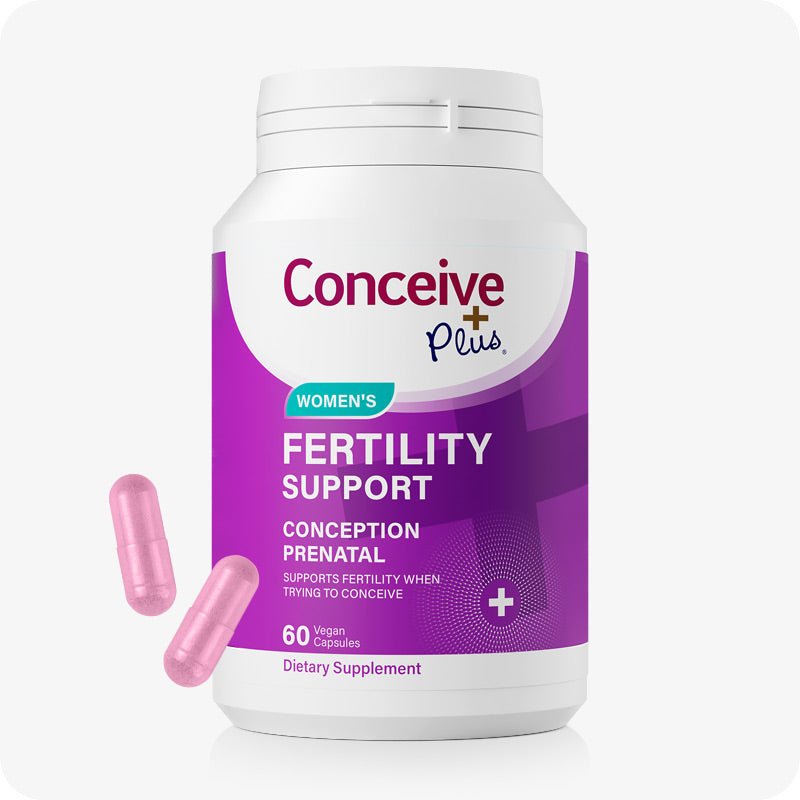
If you have just started trying to get pregnant or have been trying for a while, Conceive Plus® can help increase your chances of conception naturally! Recommended by doctors, pharmacists and fertility clinics in more than 60 countries!
🌱 Support Your Fertility Journey
Conceive Plus fertility supplements are clinically formulated to help regulate your cycle and support egg quality.
Shop Fertility Support →Frequently Asked Questions
Recommended by Fertility Experts
Conceive Plus Men's Fertility Support
Designed to support healthy sperm production, motility, and overall male reproductive health with clinically studied nutrients.
Shop Now →What vitamins should I take if I'm trying to conceive?
Both men and women trying to conceive should take a daily multivitamin, with women specifically taking a prenatal vitamin containing folic acid. Women over 37 should consider adding Vitamin C and CoQ10 to support egg quality, while men may benefit from increased Vitamin C if they're over 40 or have abnormal semen analysis results. Always consult with your fertility doctor or healthcare provider before starting any supplement regimen to ensure it aligns with your individual health needs.
Does omega-3 supplementation improve fertility?
Yes, omega-3 fatty acids have been shown to improve both male and female fertility by maximizing blood flow to reproductive organs. In men, omega-3s can improve sperm quality and motility, while in women they may support healthy blood flow to the uterus and assist with embryo implantation. Incorporating omega-3 sources like fatty fish, walnuts, and flaxseeds—or taking a supplement—is recommended by fertility specialists as part of a comprehensive fertility diet plan.
What foods should I avoid when trying to get pregnant?
You should avoid foods high in trans fats such as fried foods and donuts, limit red meat and other animal proteins, and reduce consumption of sugary soft drinks. Additionally, peas contain compounds that research suggests may negatively impact fertility in both men and women. Focus instead on a Mediterranean-style diet rich in antioxidants, healthy fats, and whole grains to support optimal fertility health.
Is CoQ10 recommended for fertility?
CoQ10 is particularly recommended for women over age 37 as it may help support egg quality and overall reproductive health. This antioxidant supplement
Can diet really affect IVF success rates?
While diet alone cannot guarantee successful IVF, research shows that proper nutrition significantly contributes to egg and sperm quality, which are crucial factors in fertility outcomes. Foods rich in antioxidants, healthy fats, and essential nutrients support reproductive health in both partners and may improve the overall success of fertility treatments. Adopting a fertility-focused diet in conjunction with medical treatment gives you the best chance of success.
Is a Mediterranean diet better for fertility?
Yes, the Mediterranean diet is recommended by fertility specialists because it emphasizes foods beneficial for reproductive health—including olive oil, nuts, fish, whole grains, and antioxidant-rich produce while limiting red meat and trans fats. Research shows that what's good for heart health is also good for sperm and egg quality, making the Mediterranean approach ideal for both men and women trying to conceive. This diet pattern aligns with American fertility guidelines and has been associated with better fertility outcomes.
Should men take different supplements than women for fertility?
While both men and women benefit from omega-3 supplements and antioxidants, their supplementation strategies may differ based on individual needs. Men should focus on omega-3s for sperm motility and may benefit from increased Vitamin C if over 40 or experiencing abnormal semen analysis, while women should take prenatal vitamins and consider CoQ10 after age 37 for egg quality. Your fertility doctor can recommend a personalized supplement plan based on diagnostic testing and health history.
Trusted by Couples in Over 70 Countries
Support Male Fertility From the Inside Out
Male fertility is just as important as female fertility in the conception journey. Conceive Plus Men's range delivers targeted nutritional support to promote healthy sperm and overall reproductive wellbeing.
Shop Men's Range →