How can I get pregnant? - The Basics...


For many couples there are some basic questions that come up when considering the first steps towards preparing for conceiving a baby. Here we answer some common preparation questions.
How soon before we start trying do we need to make changes?
Consider making any lifestyle changes at least four months before trying to conceive. That's because it takes 4 months before conception for an egg to mature. This way, should you become pregnant, your baby will be in the optimum environment during the first few weeks of cell growth and development.
I'm using birth control, what do I do?
If you are currently taking birth control you will need to stop. This will depend on the method you are using. With barrier methods such as Condoms, Diaphragms, Cervical Cap, and Sponge you simply need to remove and/or stop using them.
With Hormonal Contraceptive you should allow 2-3 months for your body to adjust to regular periods before trying (as a result if due date is important use a barrier method such as condoms during this time as it is 20-25% possible to get pregnant in the first cycle).
If you using an IUD this should be removed 1 cycle prior to trying while Hormonal implant or injection can last 3-6 months. It is best to consult your GP about coming off of hormonal types of contraception.

✨ Trying to Conceive?
Our Ovulation & Fertility Bundle combines Myo-Inositol with essential vitamins to support healthy hormone balance and regular ovulation.
Shop Now — $55.00✓ Free shipping on orders over $40 | ✓ Trusted by millions of couples worldwide
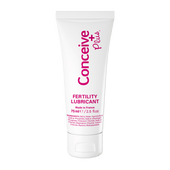
Most commercial lubricants have been shown as harmful to sperm, so if you are using a lubricant during intercourse because of dryness choose a sperm friendly lubricant.
What are the chances of getting pregnant?
There is about a 20-25% chance of conception occurring in any month of trying, even when timing sex around ovulation, so don't be concerned if you don't conceive straight away. If you have stopped taking hormonal contraception recently it's normal to allow 3 months for your normal menstrual cycle to resume.
Find resources that support you!
Conceive Plus blog talks about issues relating to fertility and trying to conceive a baby naturally. You will find resources and testimonials from trying-to-conceive couples around the world who use Conceive Plus fertility lubricant to assist their changes of getting pregnant.
If you have just started trying to get pregnant or have been trying for a while, Conceive Plus® can help increase your chances of conception naturally! Recommended by doctors, pharmacists and fertility clinics in more than 60 countries.
🌱 Support Your Fertility Journey
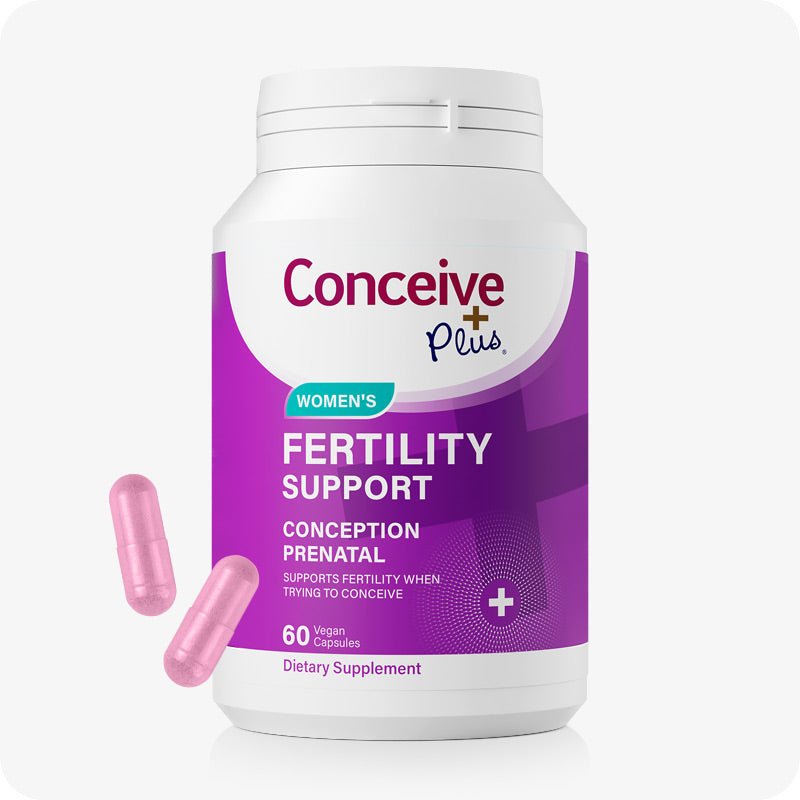
Conceive Plus fertility supplements are clinically formulated to help regulate your cycle and support egg quality.
Shop Fertility Support →Frequently Asked Questions
Recommended by Fertility Experts
Conceive Plus Men's Fertility Support
Designed to support healthy sperm production, motility, and overall male reproductive health with clinically studied nutrients.
Shop Now →How long should I wait after stopping birth control before trying to conceive?
The timeline depends on your contraception method. Barrier methods (condoms, diaphragms) can be stopped immediately, while hormonal contraceptives typically require 2-3 months for your cycle to normalize before attempting conception. IUDs should be removed one cycle prior to trying, and hormonal implants or injections can take 3-6 months to leave your system. It's recommended to consult with your doctor before discontinuing any hormonal contraception to ensure a safe transition.
What lifestyle changes should I make before trying to get pregnant?
The American Society for Reproductive Medicine recommends making lifestyle changes at least four months before attempting conception, as it takes about four months for an egg to fully mature. Key changes include maintaining a healthy diet rich in folate and prenatal vitamins, achieving a healthy BMI, reducing stress, limiting caffeine intake, avoiding smoking and alcohol, and exercising regularly. These adjustments help create an optimal environment for early fetal development during the critical first weeks after conception.
Is it normal not to get pregnant in the first month of trying?
Yes, it is completely normal. Even with perfectly timed intercourse around ovulation, the monthly chance of conception is only 20-25% for fertile couples. It can take several months or longer to conceive, and this is not considered abnormal unless you've been trying for over one year (or over six months if you're over age 35). If you have concerns about your fertility, consult with a reproductive endocrinologist or fertility specialist.
What lubricants are safe to use when trying to conceive?
Most commercial lubricants can harm sperm motility and reduce fertility, so it's important to choose a sperm-friendly alternative if you experience vaginal dryness during intercourse. Look for FDA-cleared fertility lubricants specifically formulated to be safe for sperm, such as those designed with minerals and electrolytes that mimic cervical mucus. Always check product labels to ensure they are tested as safe for conception and avoid products containing glycerin, parabens, or other spermicidal ingre
Should I take prenatal vitamins before trying to conceive?
Yes, the CDC and ASRM recommend that all women of childbearing age take a daily prenatal vitamin containing 400-800 mcg of folic acid, ideally starting at least one month before attempting conception. Folic acid helps prevent neural tube defects during early pregnancy development when many women don't yet know they're pregnant. Additional supplements like myo-inositol and vitamin D may also support hormone balance and ovulation, but discuss any supplements with your healthcare provider.
How often should we have intercourse when trying to conceive?
For couples trying to conceive, research suggests having intercourse every 2-3 days throughout the menstrual cycle is most effective, as this maintains consistent sperm availability without requiring precise ovulation timing. During your fertile window (typically 5 days before and the day of ovulation), having intercourse every 1-2 days can increase conception chances. You can track ovulation using ovulation predictor kits, basal body temperature charting, or fertility apps to identify your most fertile days.
When should I see a fertility specialist if we can't get pregnant?
According to ASRM guidelines, you should see a fertility specialist if you've been trying to conceive for one year without success, or after six months if you're 35 years or older. You should also seek earlier evaluation if you have known fertility risk factors such as irregular periods, endometriosis, a history of pelvic infections, or if your partner has known male factor issues. A fertility clinic can perform diagnostic testing and recommend personalized treatment options.
Trusted by Couples in Over 70 Countries
Support Male Fertility From the Inside Out
Male fertility is just as important as female fertility in the conception journey. Conceive Plus Men's range delivers targeted nutritional support to promote healthy sperm and overall reproductive wellbeing.
Shop Men's Range →